Sweet · Portugal
Vintage Port
Kopke — Douro, Portugal · 1999
- Grape(s)
- Touriga Nacional, Touriga Franca, Tinta Roriz
- Vintage
- 1999
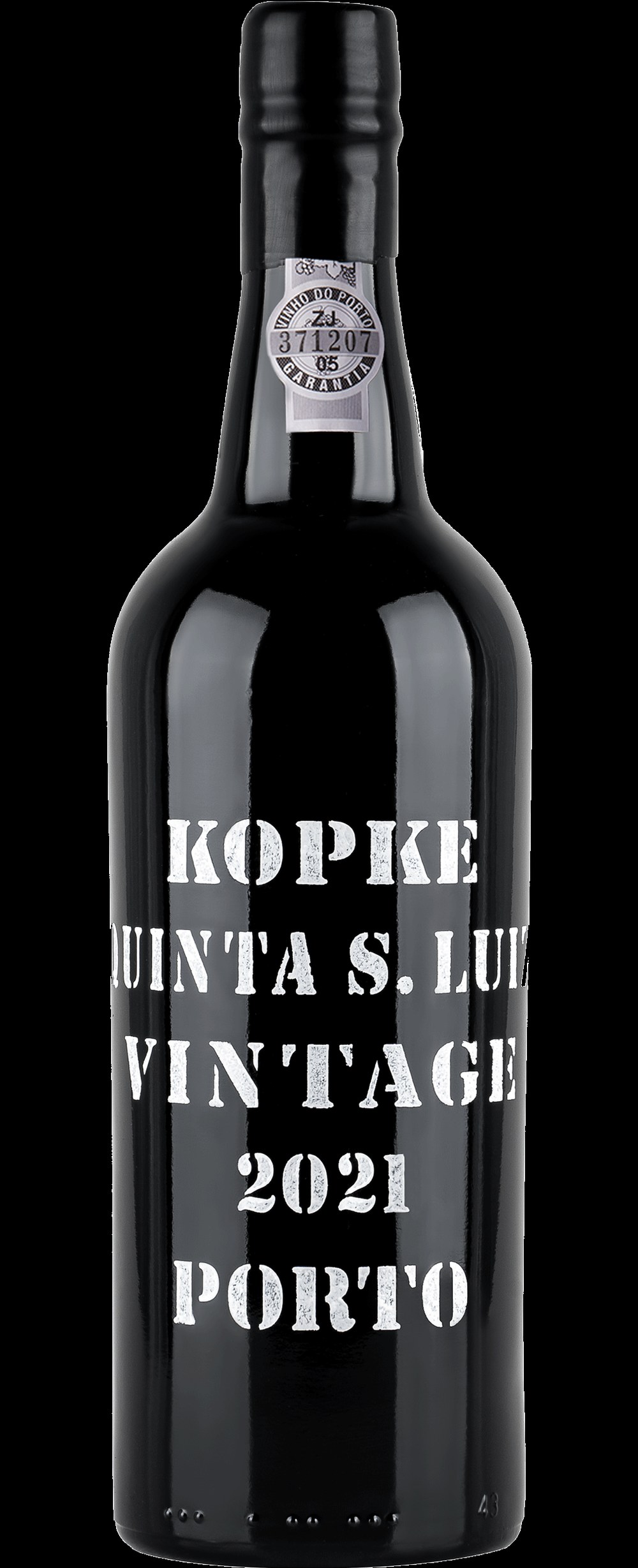
A quarter century is long enough for a wine to stop being about the vintage it was made in and start being about everything that’s happened to it since. This one has had twenty-five years to work that out.
History
Kopke traces its roots back to 1638, when the German trading house’s founders, Nicolau Kopke and his son Cristiano, travelled from Hamburg to Portugal and set up as merchants — making it, by most accounts, the oldest Port house still trading today. It’s worth being precise about what that actually means, though: 1638 predates both the formal demarcation of the Douro as a wine region (1756) and Kopke’s own move into wine production, which didn’t happen until 1781, when the company acquired its first Douro estate. So the “oldest Port house” claim is really “the oldest company that would eventually become a Port house” — a trading firm that got into wine over a century after it was founded, not a winery with an unbroken 1638 vintage record. Today Kopke is particularly known for Colheita Port, single-vintage tawny aged for decades in wood, alongside the Vintage Ports it also produces.
Region & terroir
The Douro is a punishing place to grow grapes: steep schist terraces cut into the river valley, blistering summer heat, and almost no rainfall through the growing season. Vines root deep into the fractured, layered rock to find what water there is, which is part of why Douro reds — and the Ports made from them — tend toward such concentration and structure.
The grape
Touriga Nacional, Touriga Franca, and Tinta Roriz are the backbone of most serious Douro reds and Ports, and each earns its place for a different reason. Touriga Nacional brings structure, tannin, and an intense aromatic backbone; Touriga Franca adds elegance and perfume, often used precisely to soften Touriga Nacional’s power; Tinta Roriz — the same grape known as Tempranillo across the border in Spain — contributes acidity, red berry fruit, and spice. Blended together, they give a Vintage Port both the weight to age for decades and the aromatic lift to stay interesting while it does.
Winemaking
Not every year gets to be a Vintage Port. Each Port house independently decides whether a harvest is good enough to “declare,” and that declaration has to be certified by the Douro and Port Wine Institute through blind tasting and chemical analysis before the wine can carry the designation. Once declared, the wine spends only around two years in wood — a much shorter barrel regime than a Tawny gets — before being bottled unfiltered, at which point the real ageing work shifts almost entirely to the bottle rather than the barrel. That’s the opposite philosophy to Tawny Port, which ages oxidatively in wood for years or decades; Vintage Port matures reductively, sealed away from air, which is exactly why a twenty-five-year-old bottle like this one still needs decanting to shed the heavy sediment it’s thrown over that time.
Tasting notes
Nose: Dried fig, black cherry, and walnut, with emerging notes of leather and dried flowers that come with a quarter-century in bottle.
Palate: Rich and still substantial, dark fruit now shading into dried fruit and baking spice, tannins resolved into something silky rather than gripping.
Finish: Long, warm, and layered — cocoa, dried fruit, and a lingering savoury note that keeps unfolding after the sip is gone.
Serving & pairing
Stand the bottle upright for a day or two before opening to let the sediment settle, then decant it carefully. Serve at cool room temperature, around 16–18°C, alongside strong hard cheeses, walnuts, or dark chocolate — or simply on its own as a slow, contemplative glass at the end of an evening.
Why it’s in the cellar
Twenty-five years is long enough that opening this bottle will mean something different than buying it did. It’s in the cellar as a reminder that some wines are less a drink and more a long-running appointment with a specific evening still to come.