Sparkling · Spain
Laieta Rosé Gran Reserva Brut Nature
Alta Alella — DO Alella, Catalonia
- Grape(s)
- Pansa Rosada
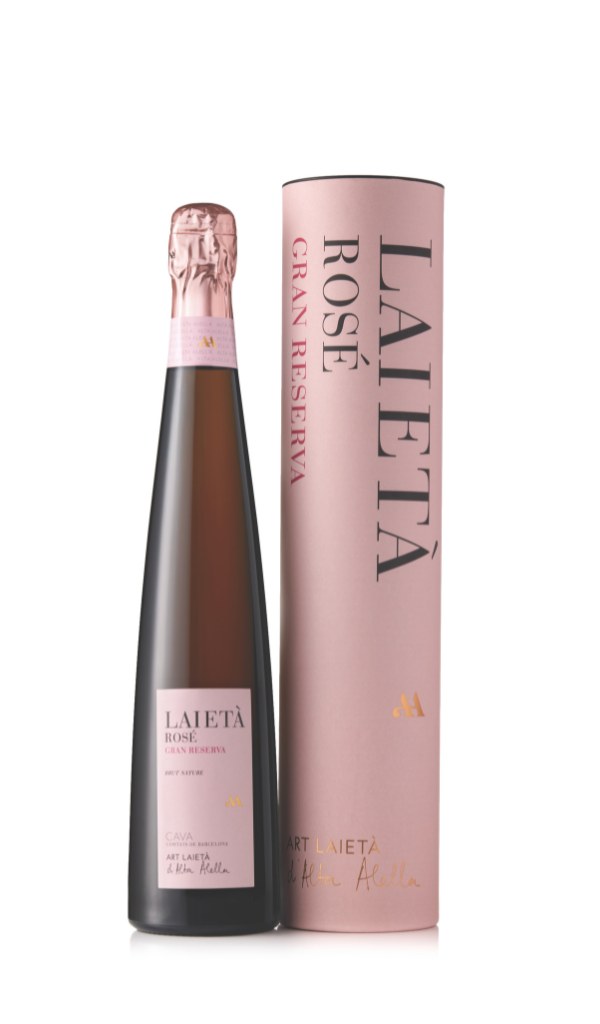
Some of the best sparkling wine in Spain comes from places nobody thinks to look. This is a bottle from a ten-hectare appellation most wine drinkers couldn’t place on a map, made from a grape that barely exists outside it.
History
Alta Alella was founded in 1991 by oenologist Josep Maria Pujol-Busquets and his wife Cristina Guillén, on a small estate in the Serralada de Marina park just northeast of Barcelona, farmed organically from the outset. It’s one of the very few producers keeping DO Alella — one of Spain’s smallest and least-known appellations — meaningfully alive, at a time when a lot of small Catalan DOs have quietly shrunk toward irrelevance.
Region & terroir
DO Alella sits on the Maresme coast, a tiny pocket of vineyard squeezed between the sea and Barcelona’s northern sprawl. Its defining feature is sauló — decomposed granite soil, pale, sandy, and free-draining, with almost no nutrients to speak of, which forces vines to root deep and naturally limits their vigour. That same sandy soil also holds and reflects heat efficiently, which helps ripening despite the appellation’s small size and cool coastal influence.
The grape
The local grape here is usually called Pansa Blanca, though it’s genetically identical to Xarel·lo, the grape grown just down the coast in Penedès as one of the three traditional Cava varieties — same vine, different regional name. Pansa Rosada is its pink-skinned counterpart, a naturally occurring colour variant of the same underlying variety, the same way Pinot Gris and Pinot Noir are colour mutations of Pinot Blanc rather than genetically distinct grapes. It’s an extremely locally confined variety, rarely seen bottled as its own single-variety wine outside a handful of producers in this one small appellation.
Winemaking
This is a traditional-method sparkling wine — second fermentation in the bottle, the same technique used in Champagne — held on its lees for an extended period before disgorgement, which is what the “Gran Reserva” designation on a Spanish sparkling wine signals: meaningfully longer lees ageing than an entry-level Cava gets, building real textural depth and bready complexity. “Brut Nature” is the driest classification a sparkling wine can carry, with next to no dosage — the sugar-and-wine mixture added to most Champagne and Cava just before final corking — added at all. Without that dosage to round off the wine’s natural acidity, everything about the base wine and the lees ageing is left fully exposed, which is exactly why a Brut Nature wine needs genuinely good fruit and real ageing behind it to work.
Tasting notes
Nose: Pale copper-pink in the glass, with red berry, citrus zest, and a saline, mineral edge from the sandy soil underneath.
Palate: Bone dry and precise, with a fine, persistent mousse and a bready, textural depth from extended lees contact that a younger, less patiently made sparkling wine wouldn’t have.
Finish: Long, dry, and mineral, with barely a trace of sweetness to round it off — the acidity and the lees character do all the work instead.
Serving & pairing
Serve well-chilled, around 7–9°C, in a proper wine glass rather than a flute to let the aromatics show. Its bone-dry structure makes it a strong match for oysters, cured fish, or anything briny and mineral — food that would make a dosed, sweeter sparkling wine taste clumsy by comparison.
Why it’s in the cellar
This bottle is a small argument against the assumption that serious sparkling wine only comes from a handful of famous regions. It’s in the cellar because “under the radar” and “genuinely excellent” turn out to overlap more often than the big names would like to admit.